


How many times have you heard someone say, “Technology is not a panacea for all our problems” or “Books are not a panacea for grief”? The word panacea means “a cure for everything”. But have you ever heard of the Panacea Society?
I went to the Panacea Museum in Bedford to find out what this little-known religious movement was all about and why this unique (and free to enter) museum is so worth visiting.
Getting to the Panacea Museum by train
It couldn’t be easier to travel to the Panacea Museum. I hopped on a Thameslink train to Bedford, which took just over an hour from London. If you live north of London, it’ll take you even less time. There are direct trains to Bedford all the way from Brighton, so it’s an easy and straightforward journey.
Once I arrived at Bedford railway station, it was a 20-minute walk through residential streets and the town centre to the museum. I enjoyed stopping for a coffee and admiring some of Bedford’s underrated history and architecture on the way.
What is the Panacea Museum?
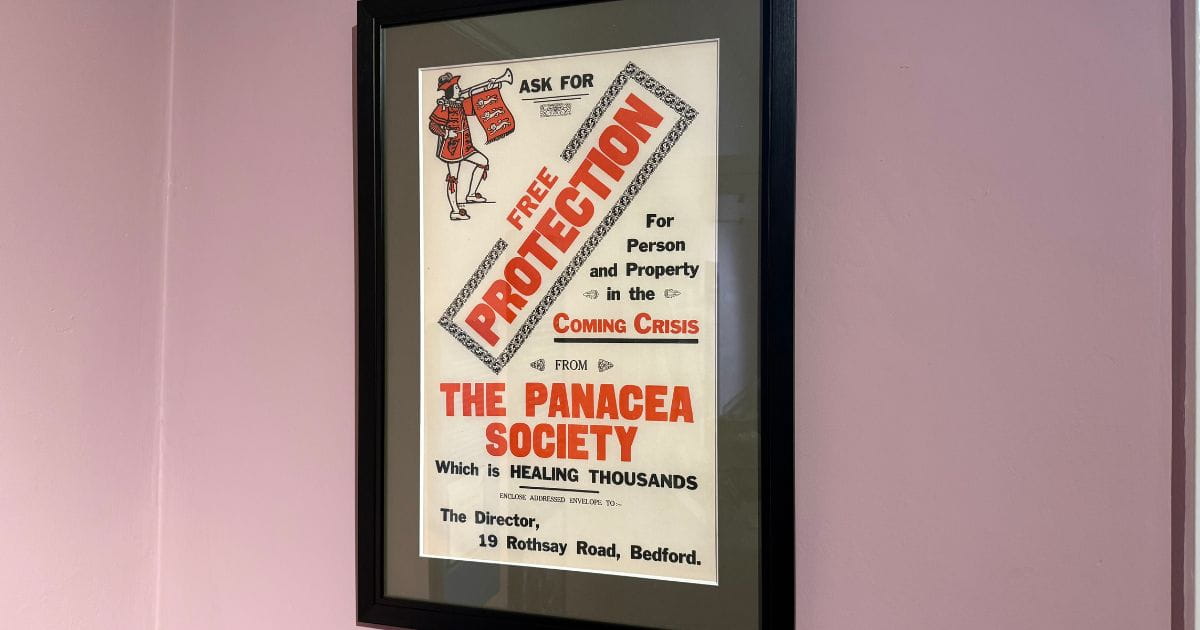
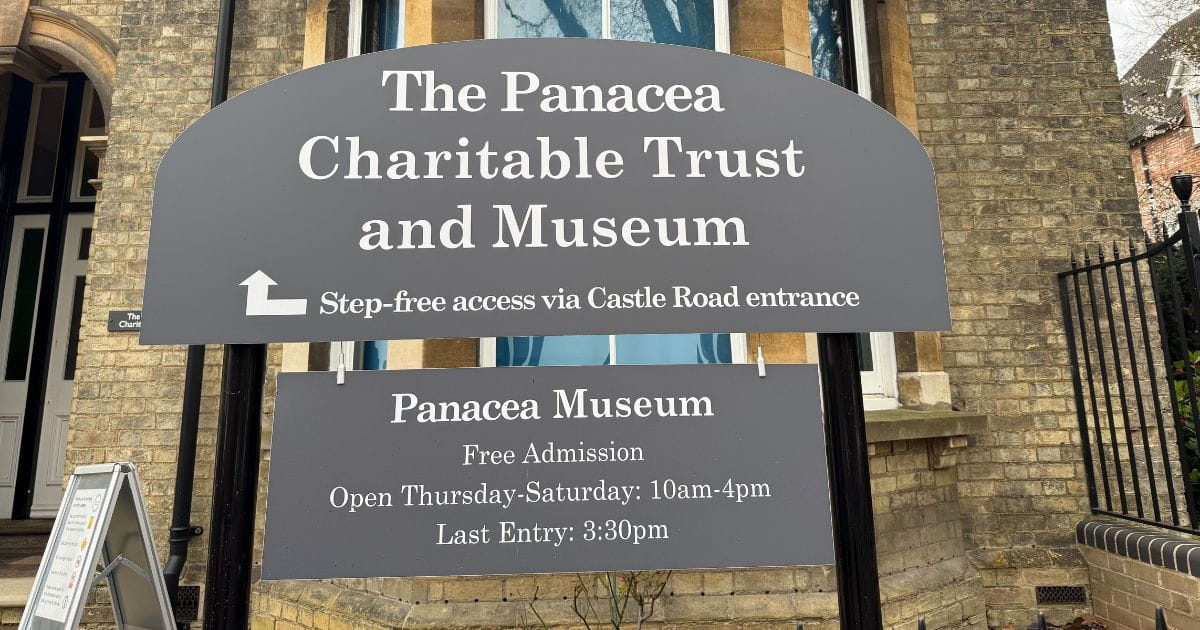
The Panacea Museum in Bedford tells the story of the Panacea Society, a religious group that was active in the early 20th century and based in a quiet corner of the town. The museum itself was set up in 2012 as one of the legacy activities of the society.
The Panacea Society became a charity in 1924, but by the late 1990s and early 2000s it was coming to an end. Trustees began to consider what should happen next, and the decision was made to preserve the buildings and collections as a museum. Today, it’s run by The Panacea Charitable Trust, the organisation that continues the society’s legacy.
What makes this museum stand out is its fascinating story. As Museum Director Zara Matthews told me, “We’re unique. You can’t go anywhere else in the world and find out about the Panacea Society. If you like social history and old buildings, you’ll love this. It’s a really authentic experience.”
It is also, as she pointed out, a largely female-led story, which adds another layer to its historical significance.
The story of the Panacea Society
At the heart of the museum is the story of Joanna Southcott, an 18th-century religious figure whose writings and prophecies deeply influenced the society’s beliefs. The members believed she would give birth to a child that would be the next messiah, and that expectation shaped much of their activity.
Reading through the museum’s information panels, I found myself completely drawn in, particularly during the section about Southcott’s prophesied pregnancy. When one display ended with instructions to continue the story in another room, I couldn’t wait to find out what happened next. It’s rare for a museum narrative to feel so climactic, but this one does.
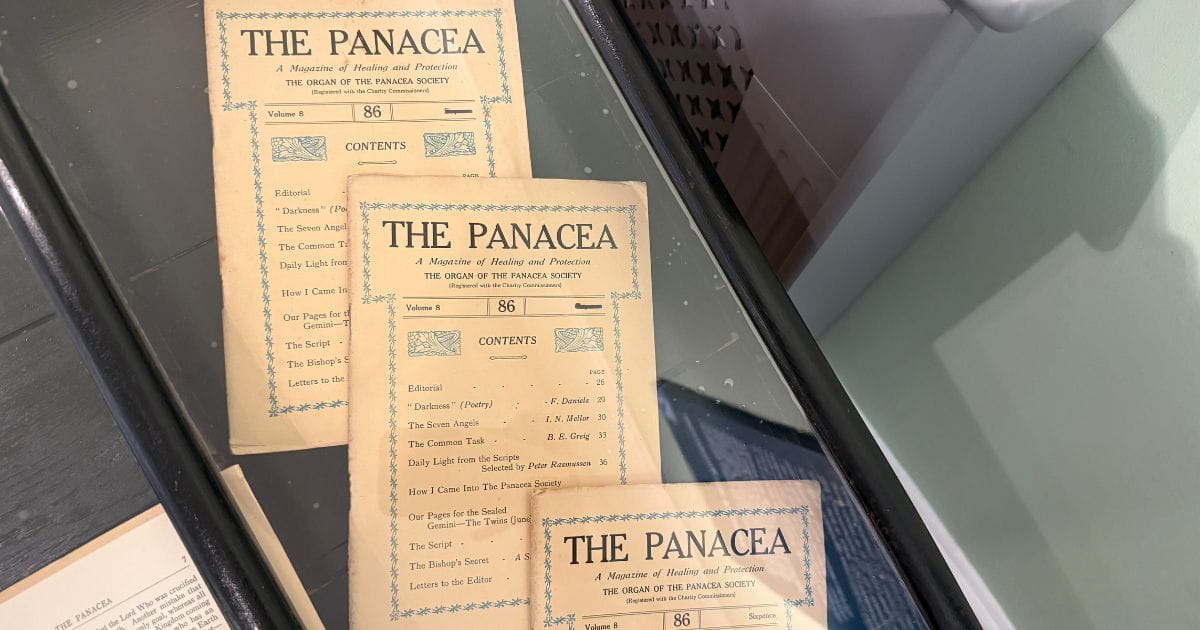
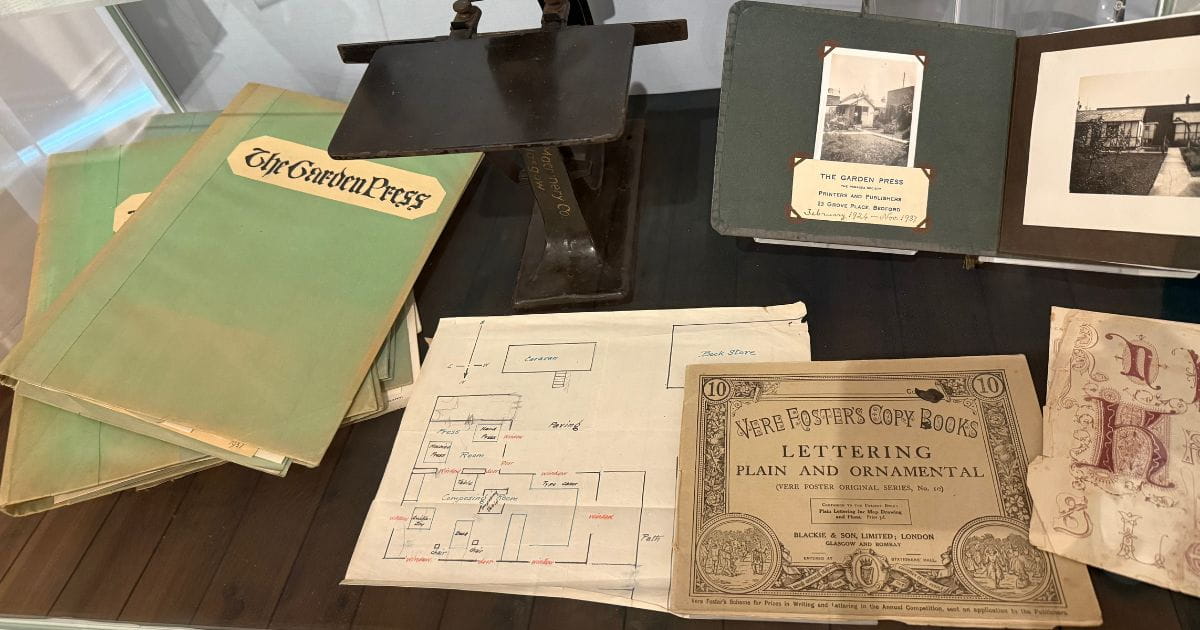
The museum’s collections include items that are original, rare, and hugely precious. Zara told me that choosing a favourite part of the museum is difficult. “That’s like asking me to pick a favourite child,” she said, laughing. “I love a lot of the Joanna Southcott stuff. We have items that are over 200 years old.”
The way the story is presented makes complex religious history accessible without oversimplifying it. You don’t need prior knowledge of the story to follow along, and by the end you have a clear sense of who these people were and what they believed.
What to expect when visiting the Panacea Museum
One of the most striking parts of visiting the Panacea Museum is that it doesn’t feel like a traditional museum. It’s actually a group of preserved houses, including the Founder’s House, which has been preserved as it was in the 1930s and 1940s and makes the experience totally immersive.
In the wireless room, authentic music from the period plays softly in the background. I found myself standing there for a while, taking in the furniture and décor, and imagining daily life for members of the society. It helps that the buildings are so carefully preserved.
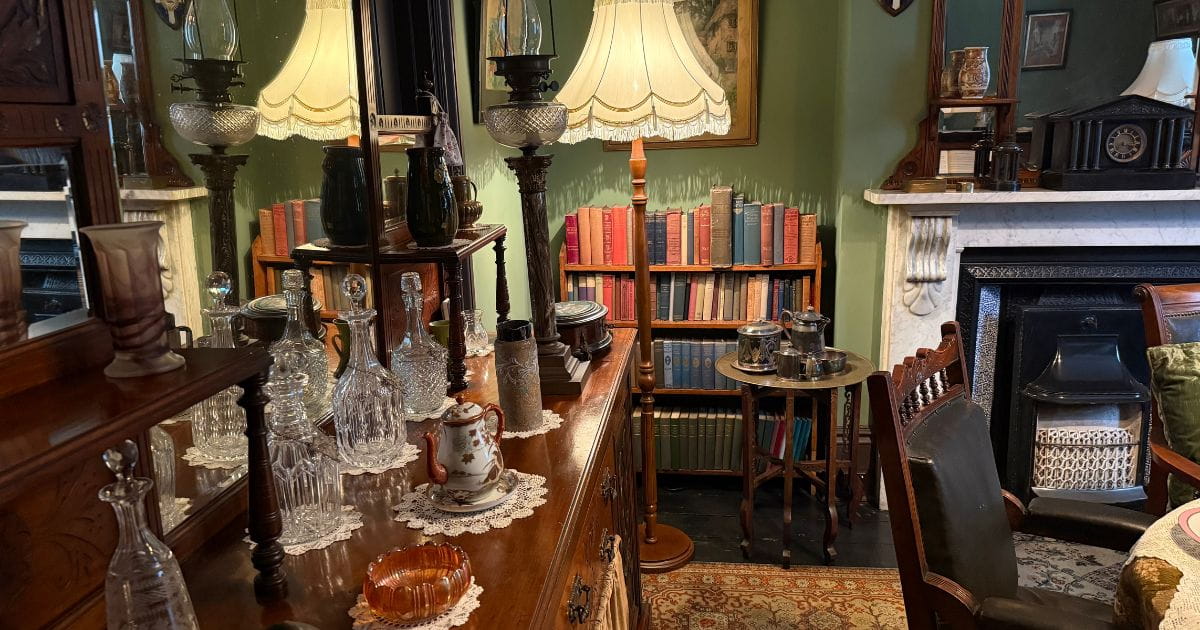
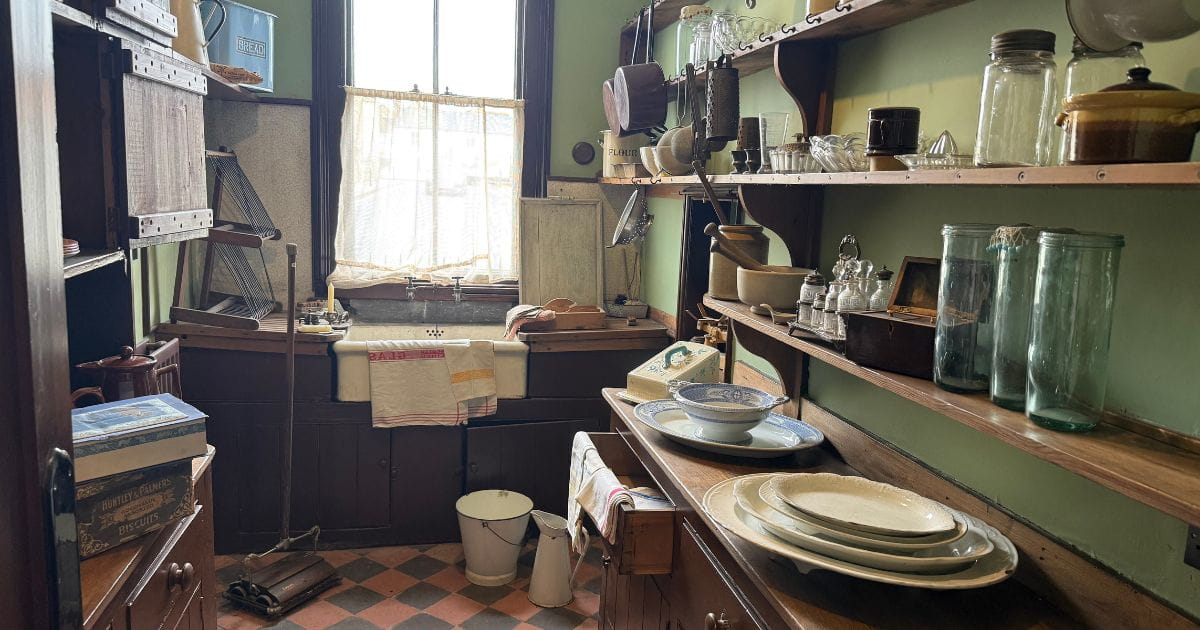
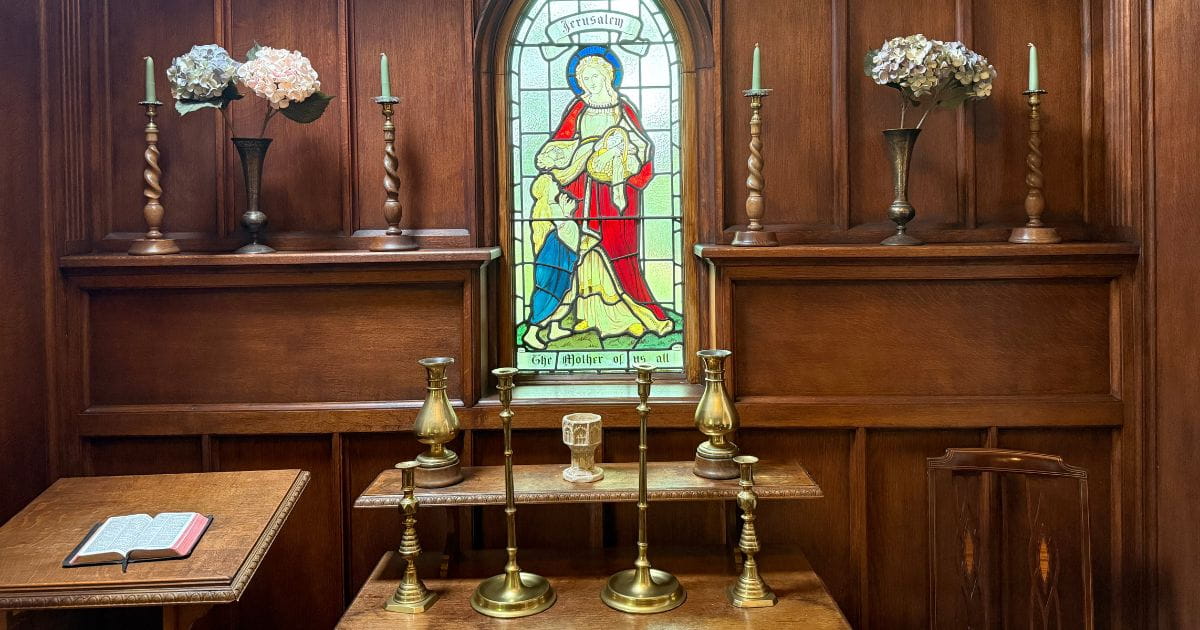
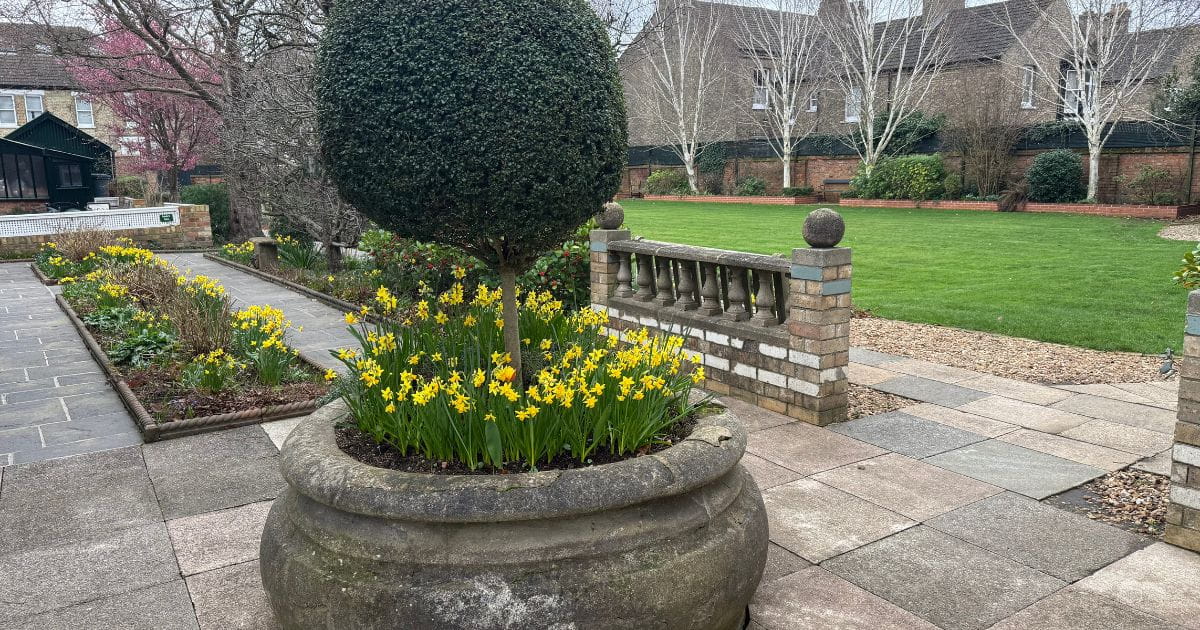
There’s plenty to explore beyond the main displays, as the chapel, the gardens, and surrounding houses all form part of the experience. The gardens in particular are worth allowing time for. “The garden is such a special place,” Zara told me. “The gardens are at their best in May and June, especially with the cherry blossoms. They’re so beautiful.”
I definitely agree. The gardens feel like an oasis in the middle of Bedford. They’re quiet, with birdsong and carefully tended flower beds, offering a calm pause between rooms filled with intense history.
The museum is also conveniently located. It’s just a short walk from both the Higgins Bedford and the John Bunyan Museum, which means you can easily combine all three for a full cultural day out. There’s even a tea room on-site, along with a modest gift shop and helpful leaflets pointing you towards guided walks and other local attractions.
The Panacea Museum in Bedford: my verdict
By the end of my visit, I found myself returning to rooms I had already seen, noticing new details and feeling surprisingly at home.
Zara summed it up when I asked why people should visit. “Because we’re so special. We are unique. I can guarantee that you will get something from your visit. There is something you will enjoy, whether it’s the story, the buildings, the gardens, or the toasted tea cakes.”
If you’re interested in social history, preserved historic houses, or England’s more unusual stories, the Panacea Museum in Bedford is well worth a visit. It’s thoughtful, immersive, and memorable, and it shows that even in a familiar town, there are still unexpected stories waiting to be discovered.
Plan your visit
Official website: www.panaceamuseum.org
Address: 11 Newnham Road, Bedford, MK40 3NX
Phone: 01234 353178
Hours: Open Thursday - Saturday 10am - 4pm, last entry 3:30pm
