


If you're searching for the best Cambridge museums, this is the guide for you. Cambridge packs in an impressive collection of museums covering everything from ancient Egypt and contemporary art to polar exploration, dinosaurs, zoology and the history of science.
Many of the city's museums are run by the University of Cambridge and, even better, most are free to visit. Several are located within a few minutes' walk of each other, making it easy to build a museum-hopping itinerary around the city centre.
Whether you're planning a day trip, visiting Cambridge with children, or looking for a rainy-day activity, this guide covers the most interesting Cambridge museums, what you'll find inside, and practical information to help plan your visit.
Read more: How to find the secret corners of Cambridge University Botanic Garden
Why visit Cambridge museums?
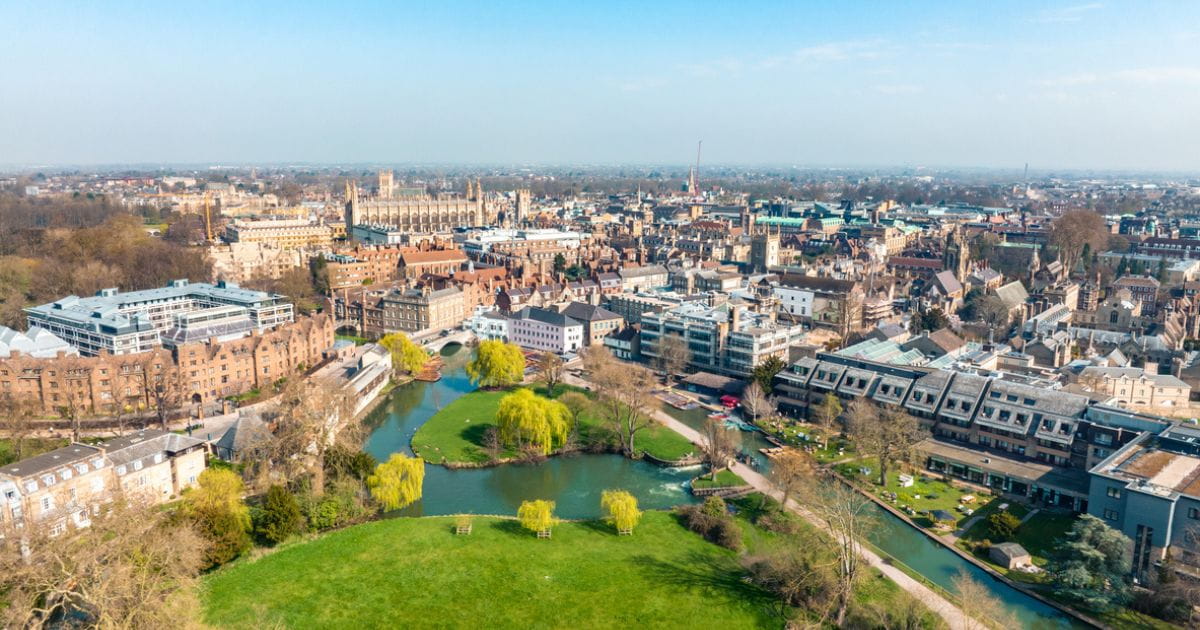
Cambridge's museums are remarkably varied. Within a short walk, you can stand beneath a 21-metre fin whale skeleton, examine artefacts from Captain Cook's voyages, see Impressionist masterpieces, explore polar expeditions, and discover fossils dating back millions of years.
Many visitors are surprised by how accessible they are. One of the biggest advantages of Cambridge museums is that several of the city's best collections are concentrated in a small area, making it easy to visit multiple museums in a single day.
Read more: Punting in Cambridge
The best Cambridge museums
The Fitzwilliam Museum
Best for: Art lovers, history enthusiasts and first-time visitors to Cambridge
The Fitzwilliam Museum is often considered the flagship museum in Cambridge and is one of the city's most important cultural attractions.
Founded in 1816, the museum houses more than half a million objects spanning art, antiquities and historical artefacts from around the world. Highlights include Egyptian coffins and mummies, Renaissance sculpture, Asian art, illuminated manuscripts and works by artists including Monet, Rembrandt and Titian.
Location: Trumpington Street, central Cambridge
Admission: Free
Typical visit length: 2-4 hours
Museum of Zoology
Best for: Families, wildlife enthusiasts and curious children
One of the most popular Cambridge museums, the Museum of Zoology showcases the diversity of animal life through fascinating displays covering evolution, extinction and exploration.
The museum's star attraction is undoubtedly the enormous 21-metre fin whale skeleton suspended above visitors. Other highlights include one of the UK's most complete dodo skeletons, a giant ground sloth and thousands of zoological specimens.
The museum works particularly well for families and anyone visiting Cambridge with children.
Location: Downing Street
Admission: Free
Typical visit length: 1-2 hours
Sedgwick Museum of Earth Sciences
Best for: Dinosaur fans, geology enthusiasts and families
The Sedgwick Museum is Cambridge's museum of geology and palaeontology and houses one of the UK's oldest collections of fossils and rocks.
Visitors can see dinosaur fossils, prehistoric mammals, minerals and geological specimens collected during centuries of scientific exploration. The museum is named after Adam Sedgwick, the pioneering geologist who taught Charles Darwin.
Although smaller than some of Cambridge's other museums, it is frequently paired with the Museum of Zoology because the two sit almost opposite one another.
Location: Downing Street
Admission: Free
Typical visit length: 45-90 minutes
Museum of Archaeology and Anthropology
Best for: Archaeology, world cultures and social history
The Museum of Archaeology and Anthropology explores two million years of human history through an extraordinary collection of more than one million artefacts.
Among the standout exhibits are early African stone tools, artefacts collected during Captain Cook's Pacific voyages, a towering 14-metre totem pole from Canada, samurai armour from Japan and the famous Trumpington Cross discovered near Cambridge.
This is one of the most underrated Cambridge museums and rewards visitors willing to spend time exploring its galleries.
Location: Downing Street
Admission: Free
Typical visit length: 1-2 hours
The Polar Museum
Best for: Adventure enthusiasts, explorers and families
Few museums in Britain focus so completely on Arctic and Antarctic exploration, which makes the Polar Museum one of Cambridge's most distinctive attractions.
Run by the Scott Polar Research Institute, the museum tells stories of exploration, survival and scientific discovery at the Earth's extremes. Exhibits include artefacts used by Ernest Shackleton, objects from Captain Scott's expeditions, Inuit art and scientific specimens from polar regions.
Many visitors consider it one of Cambridge's hidden gems.
Location: Lensfield Road
Admission: Free
Typical visit length: 1 hour
Kettle's Yard
Best for: Art lovers, architecture enthusiasts and photography fans
Kettle's Yard offers a completely different museum experience.
Part historic house and part contemporary art gallery, it was originally the home of collector Jim Ede and remains one of the UK's most celebrated spaces for modern art.
The collection includes works by artists such as Alfred Wallis, Ben Nicholson, Christopher Wood and Winifred Nicholson, displayed throughout a carefully curated domestic setting. Alongside the house, the gallery hosts a changing programme of contemporary exhibitions.
Location: Castle Street
Admission: Book in advance
Typical visit length: 1-2 hours
Cambridge Museum of Technology
Best for: Engineering enthusiasts, technology fans, families and local history buffs
For a different side of Cambridge history, head to the Cambridge Museum of Technology. Located in the city's former Victorian sewage pumping station on the banks of the River Cam, this fascinating museum explores the industries, inventions and engineering achievements that helped shape modern Cambridge.
The museum's centrepiece is the historic pumping station, where visitors can learn how Victorian engineers tackled the city's sanitation challenges using enormous steam-powered machinery. Beyond the pumping station, exhibitions explore Cambridge's industrial heritage, from printing and scientific instruments to pioneering local technology companies such as Pye and Cambridge Scientific Instrument Company.
Interactive displays and hands-on exhibits make it a particularly good choice for families, while the riverside setting offers a very different experience from the university museums in the city centre.
Location: The Old Pumping Station, Riverside, Cambridge CB5 8LD
Admission: Paid entry
Typical visit length: 1.5-3 hours
Whipple Museum of the History of Science
Best for: Science enthusiasts and history buffs
The Whipple Museum houses one of Europe's most significant collections of scientific instruments.
Visitors can explore centuries of scientific innovation through telescopes, microscopes, globes, mathematical instruments and laboratory equipment used by generations of scientists.
For anyone interested in Cambridge's scientific heritage, this museum provides valuable context to the city's academic reputation.
Location: Free School Lane
Admission: Free
Typical visit length: 45-90 minutes
Museum of Classical Archaeology
Best for: Ancient history, classical studies and art
Home to one of the largest collections of classical sculpture casts in the world, the Museum of Classical Archaeology offers a fascinating glimpse into ancient Greece and Rome.
The museum's striking gallery is filled with full-size plaster casts of famous classical sculptures, making it particularly popular with students, artists and photographers.
Location: Sidgwick Avenue
Admission: Free
Typical visit length: 45-90 minutes
The Centre for Computing History
Best for: Technology enthusiasts, gamers and families
Unlike many of Cambridge's university museums, the Centre for Computing History focuses on the modern technological revolution. Interactive displays allow visitors to explore vintage computers, early gaming consoles and the evolution of personal computing.
Location: Rene Court, Coldhams Road
Admission: Paid entry
Typical visit length: 2-3 hours
Museum of Cambridge
Best for: Local history and cultural heritage
Located in a former coaching inn, the Museum of Cambridge focuses on everyday life in the city and surrounding county.
The collection includes photographs, domestic objects, local crafts and social history exhibits that tell the story of Cambridge beyond the university colleges.
Location: Castle Street
Admission: 2FOR1 when you travel by train with Thameslink
Typical visit length: 1 hour
Which Cambridge museums should you prioritise?
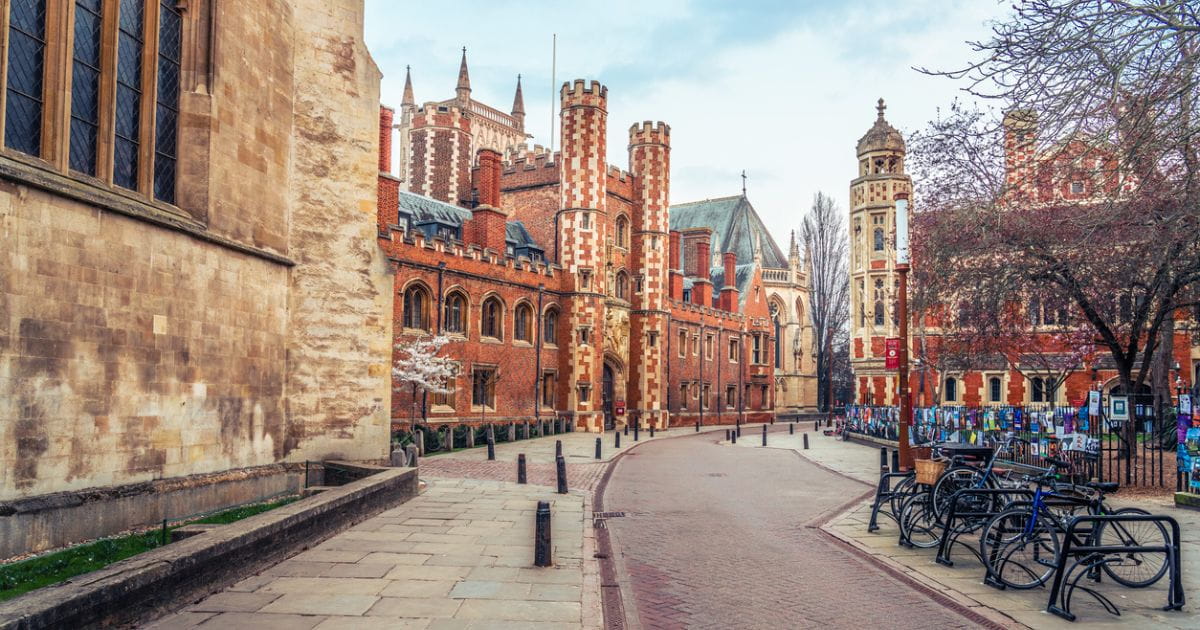
If you only have a few hours in Cambridge, these are the museums most visitors prioritise:
- The Fitzwilliam Museum for world-class art and history.
- Museum of Zoology for the whale skeleton and family-friendly exhibits.
- The Polar Museum for a unique Cambridge experience.
- Museum of Archaeology and Anthropology for global collections.
- Kettle's Yard for modern and contemporary art.
Can you visit multiple Cambridge museums in one day?
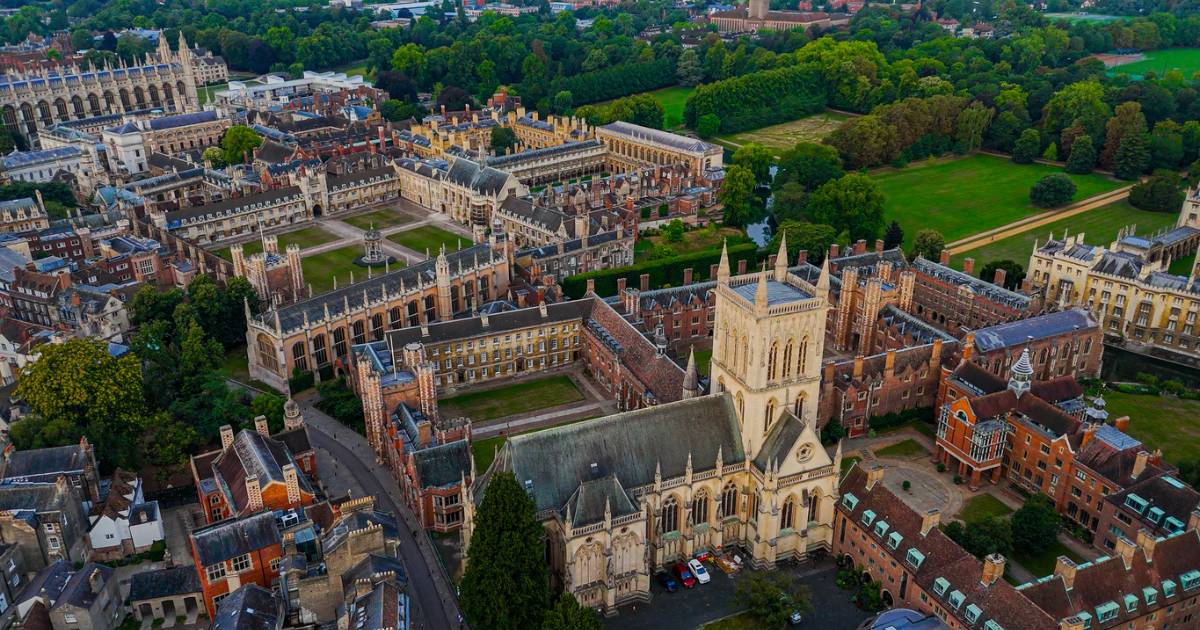
One of the biggest advantages of Cambridge museums is how close many of them are to one another.
The Museum of Zoology, Sedgwick Museum and Museum of Archaeology and Anthropology are all concentrated around Downing Street, while the Fitzwilliam Museum is only a short walk away. Visitors can comfortably combine several museums into a single day.
Are Cambridge museums worth visiting?
The best Cambridge museums offer far more variety than many visitors expect. Whether you're interested in fine art, dinosaurs, polar exploration, archaeology, science or contemporary culture, there is a museum to match almost every interest.
For first-time visitors, start with the Fitzwilliam Museum and the Museum of Zoology. If you have a full day, add the Polar Museum and the Museum of Archaeology and Anthropology. With so many free attractions within easy walking distance of each other, Cambridge is one of the UK's best cities for museum lovers.
