


Looking for a different way to explore the City of London? This self-guided walking route between London Blackfriars and City Thameslink takes you past hidden churches, historic pubs, forgotten alleyways and Shakespearean legends, all within one of the oldest parts of London.
I’ve worked near Monument for the past three years and, after spending countless lunch breaks and post-work walks exploring the area, this has become one of my favourite hidden walks in London. It’s short enough to do in under two hours, but packed with stories, unusual street names and some of the most fascinating historic sites in the City of London.
If you’re searching for hidden gems in the City of London, this walking tour is an easy way to discover parts of the Square Mile many people rush past without noticing.
Start at The Black Friar pub
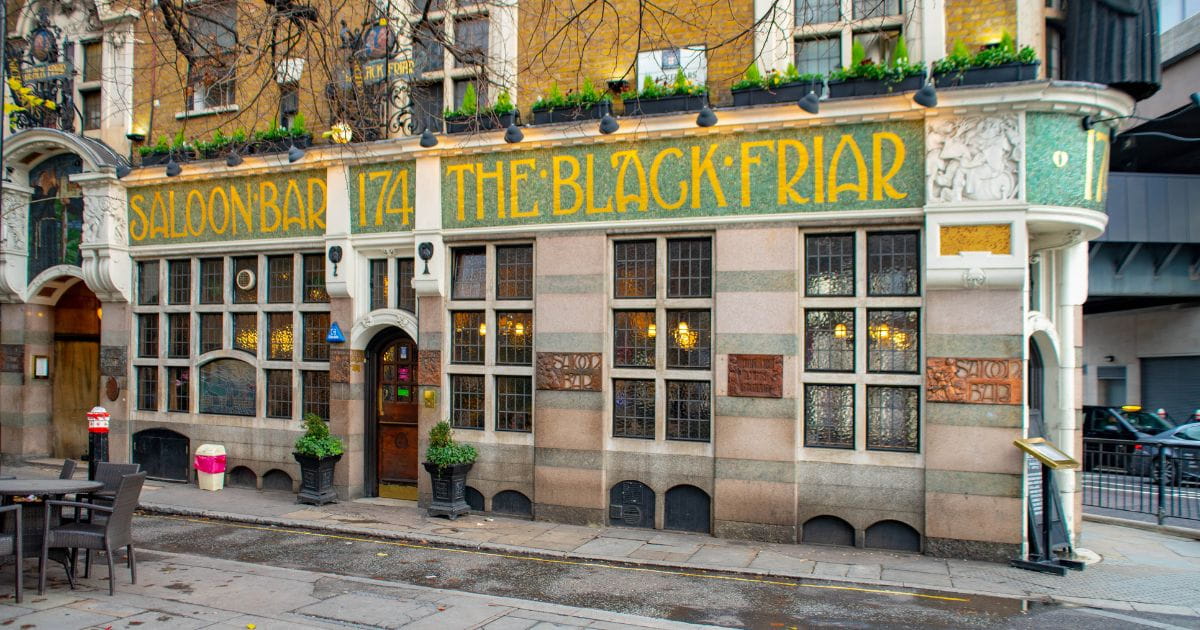
The iconic Black Friar Pub in the City of London
Begin your walk opposite London Blackfriars station at The Black Friar, one of the most unusual historic pubs in London. The Art Nouveau interior is filled with marble, mosaics and monk-themed decoration, all inspired by the Dominican friary that stood nearby between the 13th and 16th centuries.
This part of the City of London already feels layered with history before you’ve even started the walk. Office workers spill out onto Queen Victoria Street while trains cross the Thames overhead, yet hidden behind the traffic is a surprisingly dense collection of medieval streets and historic buildings.
From here, head east towards St Andrew’s Hill.
Shakespeare, bloodsports and hidden alleyways
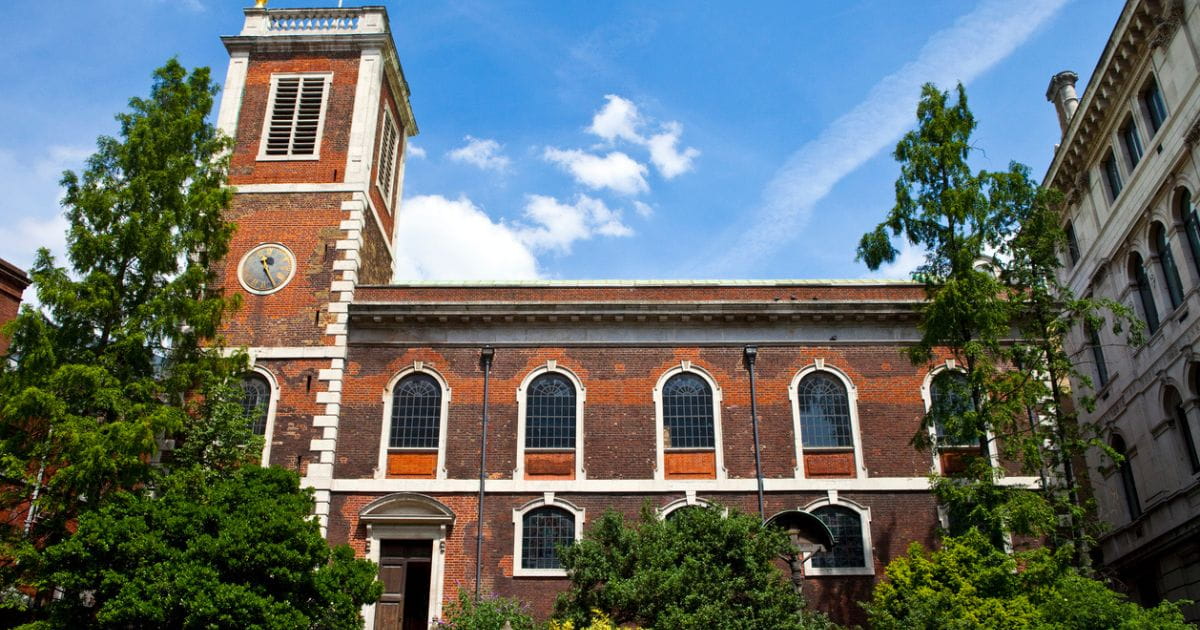
St Andrew-by-the-Wardrobe, a Sir Christopher Wren church
Your next stop is The Cockpit, a pub named after the cockfighting pit that once occupied this site. It’s one of those small details that reveals how different daily life in London used to be.
Nearby, you’ll spot a blue plaque marking the disputed site of Shakespeare’s former home. Whether or not he actually lived here remains debated, but the area has long-standing links to London’s theatrical history and sits within easy reach of the former Blackfriars Theatre district.
Just around the corner is St Andrew-by-the-Wardrobe, one of several Sir Christopher Wren churches you’ll encounter on this route. The unusual name comes from the Royal Wardrobe, a nearby medieval storehouse where ceremonial garments and royal clothing were kept.
Continue down Wardrobe Terrace and into Knightrider Court, one of the best hidden streets in the City of London. The name is believed to reference the knights who once rode through the area on their way to tournaments at nearby Smithfield.
St Paul’s Cathedral and Wren’s London
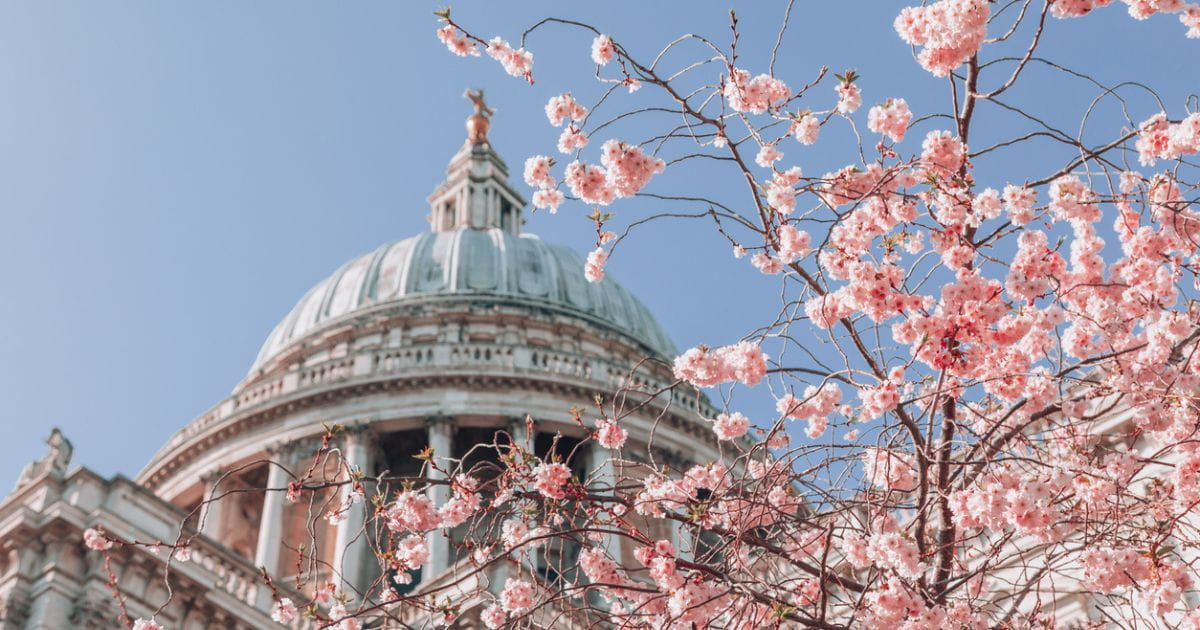
Take some time to admire the beauty of St Paul's Cathedral
Turn left onto Godliman Street and the route suddenly opens up to reveal St Paul's Cathedral, arguably the defining landmark of the City skyline. If you travel by train, you can get 2FOR1 entry.
Completed in 1710 following the Great Fire of London, the cathedral remains Sir Christopher Wren’s masterpiece and one of the most recognisable buildings in Britain. Even if you don’t go inside, the surrounding streets offer some of the best cathedral views in London.
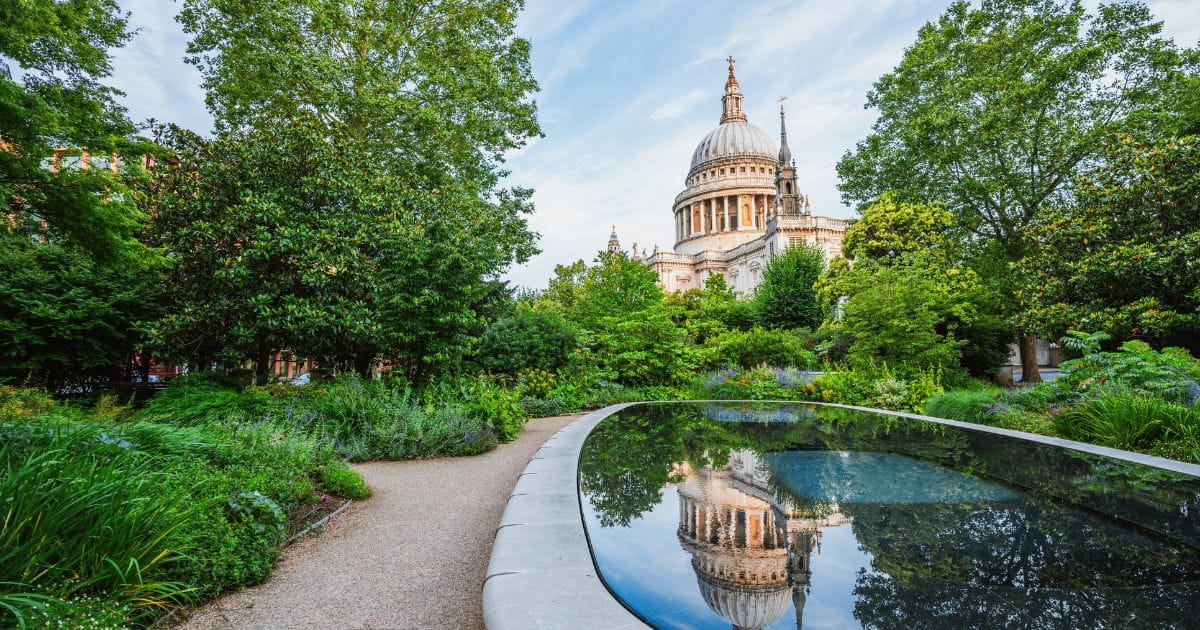
A true hidden gem in the City of London: this reflecting pond near St Paul's Cathedral
On the corner of Cannon Street and One New Change, a small reflective pond creates one of the best photo spots for capturing the cathedral dome.
This section of the walk is particularly good early in the morning or around golden hour, when the City feels noticeably quieter and the cathedral stone catches the changing light.
Hidden churches, Bow Bells and historic City pubs
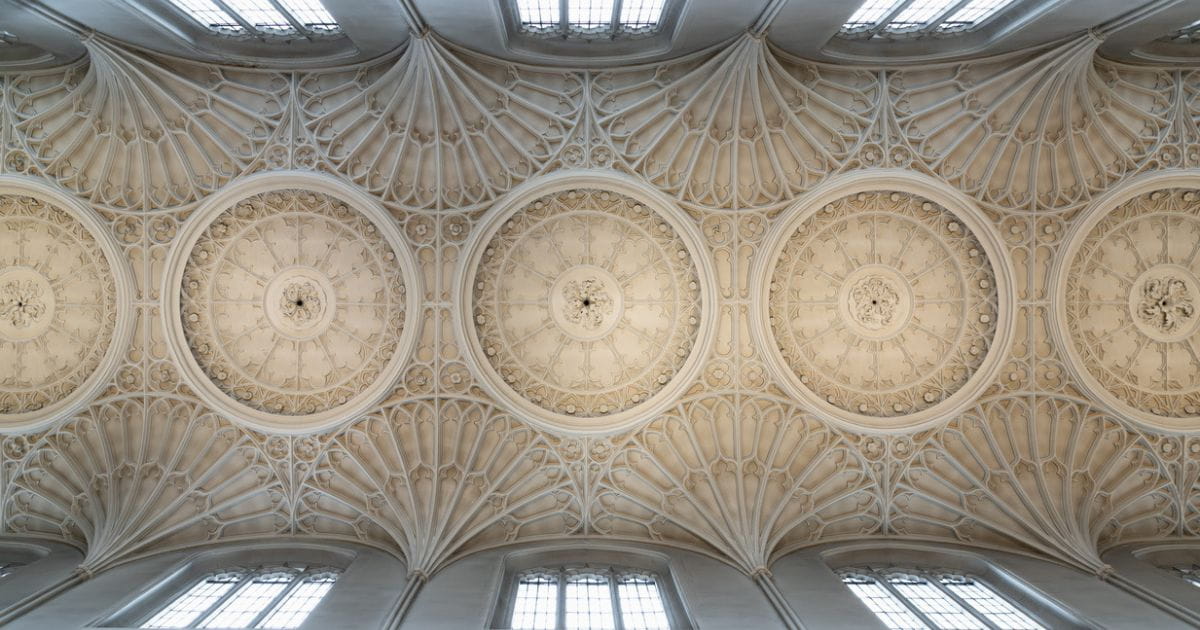
The incredible vaulted ceiling inside St Mary Aldermary church
Continue east along Cannon Street before turning into Bow Lane, a narrow passage filled with cafes, shops and lunchtime crowds.
Inside St Mary Aldermary, you’ll find an elaborate fan-vaulted ceiling that feels dramatically different from many of Wren’s other churches. The current building dates largely from the late 17th century following reconstruction after the Great Fire.
Nearby is Williamson's Tavern, a historic City pub often associated with the old centre point of London. It’s a good place to pause if you want to break up the route with lunch or a drink.
A few minutes away sits St Mary-le-Bow, famous for its bells. According to tradition, anyone born within earshot of Bow Bells can call themselves a Cockney.
Outside the church stands a statue of Captain John Smith, best known for his connection to Pocahontas and the founding of Jamestown in Virginia.
Christchurch Greyfriars, Newgate Prison and the Old Bailey
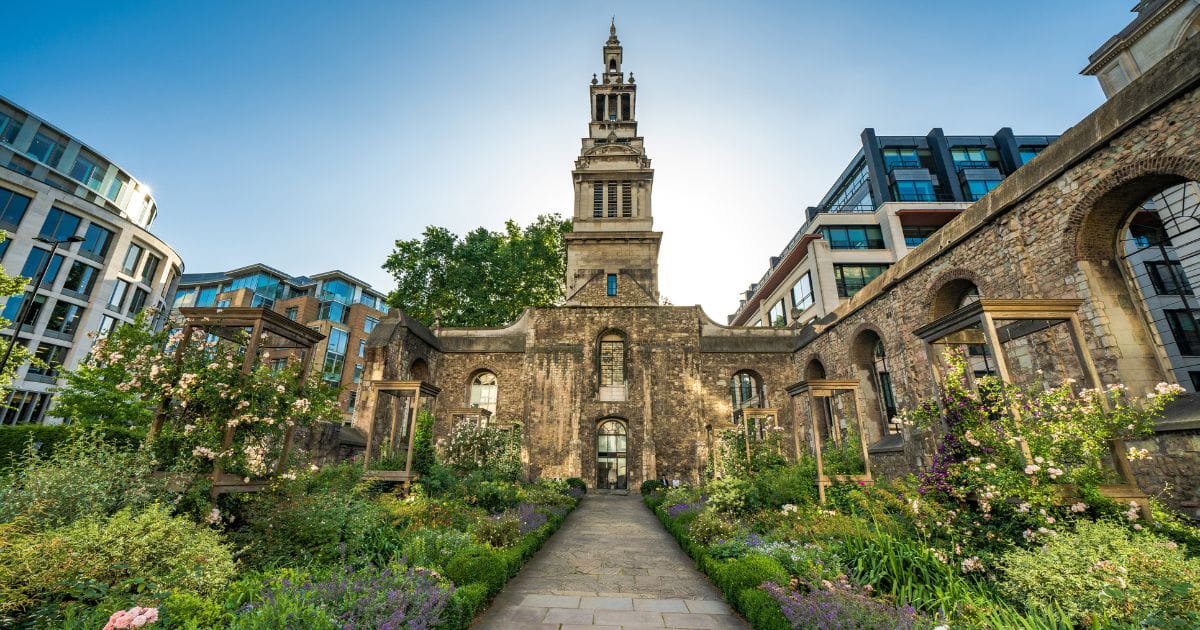
Christchurch Greyfriars, another Sir Christopher Wren church along this walking route
Head west along Cheapside, a name derived from the medieval word “cheap”, meaning market. This was once one of the busiest commercial streets in London.
Soon you’ll reach the haunting ruins of Christchurch Greyfriars. Originally a medieval Franciscan church, it was rebuilt by Wren after the Great Fire before being heavily damaged during the Blitz in 1940. Today, the roofless remains have been transformed into a quiet public garden hidden among office buildings.
Continue towards the rear of Central Criminal Court, better known as the Old Bailey. This area once formed part of Newgate Prison, one of the most infamous prisons in British history.
Close by is St Sepulchre-without-Newgate, the largest parish church in the City of London. Dating back to the 12th century, the church took inspiration from the Church of the Holy Sepulchre in Jerusalem and was historically linked to condemned prisoners from Newgate Prison.
Crusaders travelling towards the Holy Land are also believed to have passed through this area centuries ago, adding another layer to the route’s remarkably dense history.
Finish at City Thameslink station

Your finish point: City Thameslink railway station
A few more minutes on foot brings you to City Thameslink and the end of the walk.
What I love most about this route is how quickly the City of London changes street by street. One minute you’re surrounded by glass office towers and packed commuter streets, the next you’re standing beside the ruins of a bombed church or walking through an alley with roots stretching back hundreds of years.
If you enjoy uncovering hidden corners of London, this walk also pairs well with exploring Smithfield, Temple, Bank or the riverside lanes around Monument.
