

A cancelled train can be frustrating, but it’s just one part of a much bigger picture. Behind the scenes, there are teams working out which stations are affected, what alternative travel options are available, and how to communicate the changes to passengers.
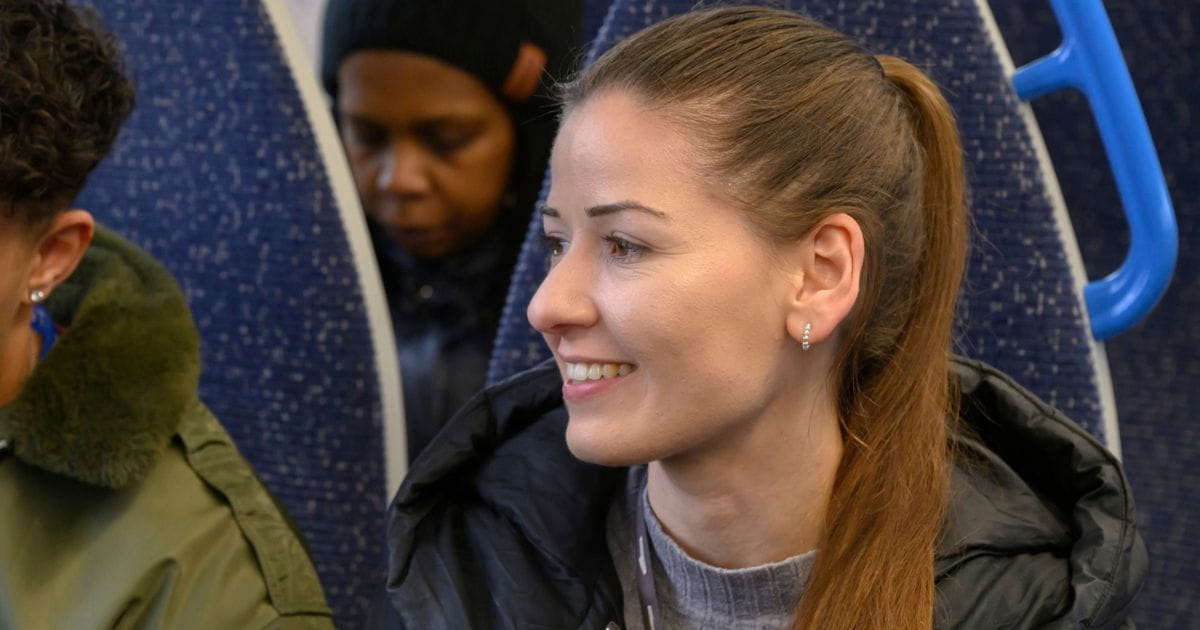
I’m a Customer Service Team Leader at the Rail Operating Centre (ROC) in Three Bridges, where my team is responsible for customer messaging during disruption and creating plans so that passengers can continue travelling
How we keep passengers moving
When there’s disruption, we look at what’s happening with the service and work out what passengers need to know. That could mean explaining the disruption, outlining service alterations, or identifying which stations aren’t being served.
From there, we look at the alternatives available. This could include ticket acceptance with other operators, rail replacement buses, or arranging taxis. Once we’ve worked out the plan, my team uses messaging to create announcements for passengers on platforms and social media.
We also deal with passenger queries that come through from stations, and these can cover almost anything. It could be a ticket query, a serious incident, or coordinating with emergency services. That variety is one of the things I enjoy most about the job; I never know what I’m going to get.
Inside the control room
The rail network is vast, and when one disruptive incident happens, other incidents don’t stop happening.
For example, there could be a fire near the railway while, at the same time, there’s a signal failure on the other side of the network, or a passenger incident somewhere else. Keeping an eye on everything is really important because there can be lots of things happening all at once.
One way I stay on top of it is by listening out to the conversations happening within the control room. My team and I need to understand what’s happening across the network, not just focus on one incident.
One of the most memorable occasions was when we received a call saying that a hot air balloon had landed too close to the railway - I never expected to see a report like that! We had to take the overhead lines into consideration, so it was an interesting situation to deal with and figure out.
My journey into rail
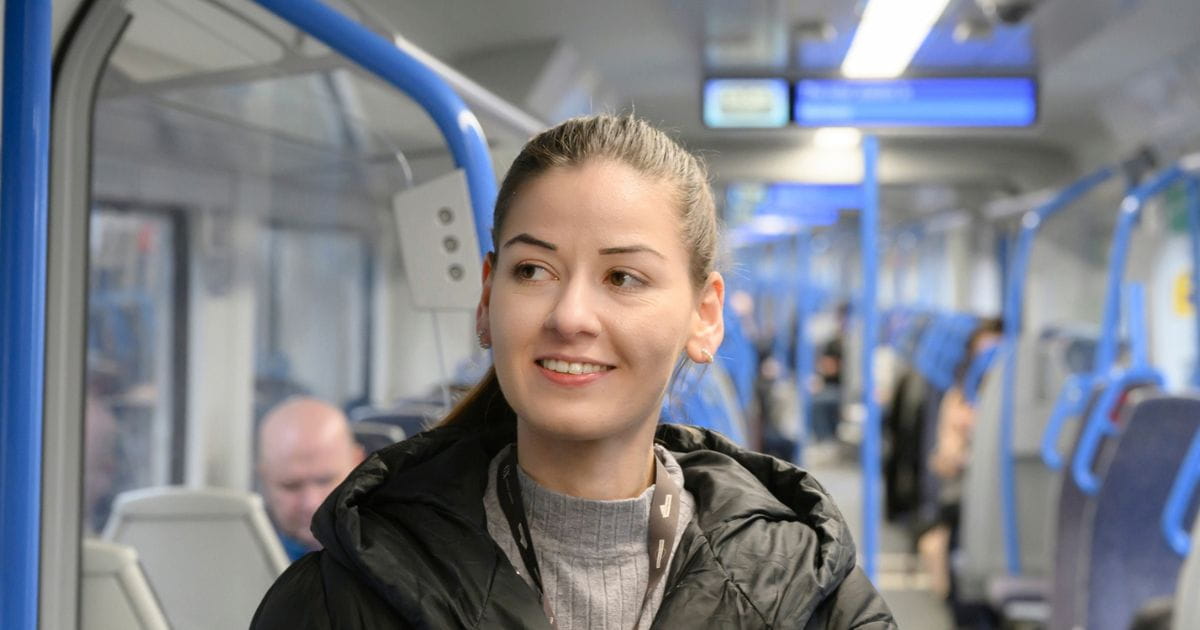
Before joining the rail industry, I worked as a realtime analyst in customer service. I knew I wanted to progress my career, and my partner already worked at the ROC, so he encouraged me to apply. I started at the ROC as a Social Media Advisor in February 2025. Since then, I’ve progressed into a Customer Service Team Leader role.
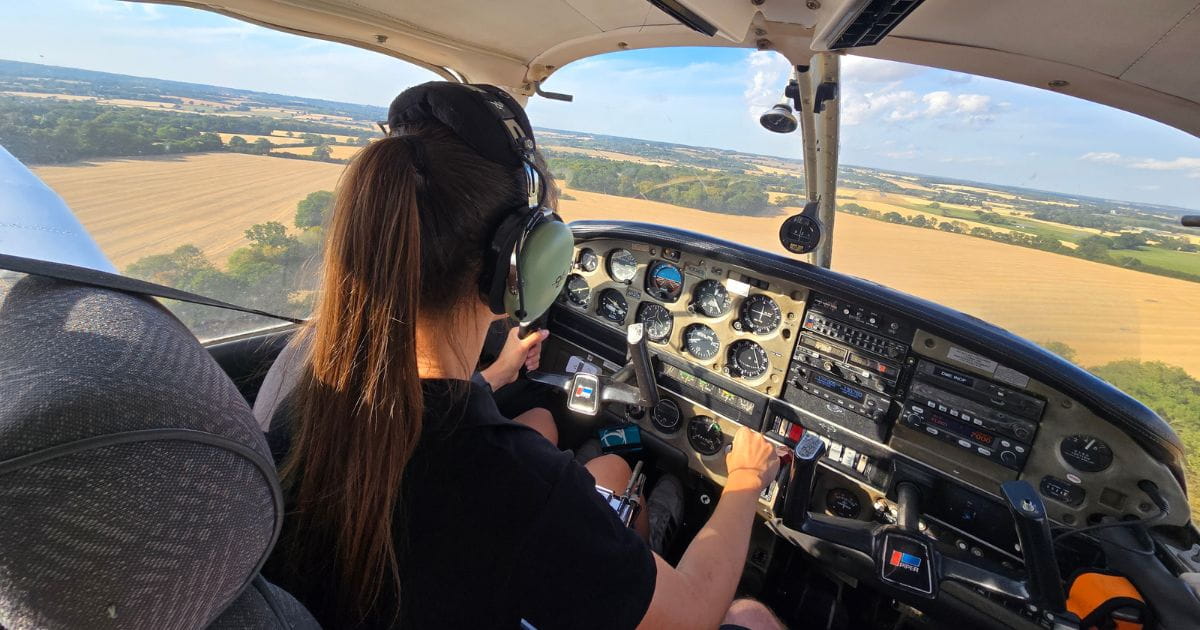
I’ve always loved flying and aviation, and I have a private pilot’s licence, so I immediately saw similarities between rail and aviation that I could put into practice. There are a lot of skills that cross over, but communication is the biggest one. Understanding exactly how systems work and why is also important.
In rail, I apply that by going out to stations and meeting with station managers to understand the service from that level. In a job where you need to make decisions quickly, you need a fundamental understanding of how everything works.
My other view of the skies
I started flying in 2024 and have had my private pilot’s licence since 2025. I fly a four-seater, single-engine light aircraft and I love it. I enjoy the aspect of how it all works, from air traffic control to the physics enabling flight. It’s a very interesting field, and of course, flying itself is really fun.
One of my favourite moments was landing at Southend Airport with a large commercial aircraft behind me. It was my first time landing at an international airport, and it was a fantastic experience.
Making a difference
I love the feeling of making a difference in my role; I come home at the end of the day knowing I’ve really helped people. I also enjoy finding ways to expand my skills and coordinating with so many departments and colleagues across the network.
Something I want people to know is that we genuinely care about their journeys. If there are passengers sitting at a station because their train is cancelled, we’re frustrated too, and we’re doing everything we can to find a solution.
We’ve all been there, so we know how it feels. When our hands are tied and there’s nothing we can do, we have a lot of empathy for passengers. It can be hard to communicate that in a way that shows we really care, but that care is there.
Behind every disruption plan, there are people across the network working to find a way forward and help passengers continue their journeys. From cancelled trains to hot air balloons, I never know what the day is going to bring, and that’s exactly what I love about this job.